



When you’re sitting across from a candidate, it’s natural to want to get to know them beyond just their resume. But here’s the thing: not every question is fair game. Some questions might seem like harmless small talk, but they can actually cross into illegal territory under US hiring laws.
Questions about a candidate’s age, family status, religion, disability, or national origin aren’t just inappropriate—they can expose your business to discrimination claims. Even if you don’t use the information to make a hiring decision, simply asking can create the appearance of bias.
Examples of risky questions include:
- “Do you have kids? Who will look after them while you work?”
- “What church do you go to?”
- “How old are you?” or “When did you graduate?”
- “Where were you born?”
- “Do you have any medical issues we should know about?”
Why does this matter? Because under federal hiring guidelines, these types of questions touch on “protected characteristics.” Once asked, they can’t be “unasked.” If a candidate doesn’t get the job, they could argue that your decision was based on their personal information rather than qualifications.
👉 To understand how these protections fit into larger compliance rules, see Federal Hiring Guidelines Every Employer Should Know.
Why Some Interview Questions Are Off-Limits

The short answer? Because federal laws protect candidates from discrimination. But let’s break it down a little more.
Several major HR laws make certain questions off-limits:
- Title VII of the Civil Rights Act – Prohibits discrimination based on race, religion, sex (including pregnancy and gender identity), and national origin.
- Age Discrimination in Employment Act (ADEA) – Protects workers 40 years and older from age-based bias.
- Americans with Disabilities Act (ADA) – Prohibits asking about medical conditions and requires focusing only on essential job functions.
- Immigration Reform and Control Act (IRCA) – Prevents discrimination based on citizenship or national origin while still requiring employers to verify work eligibility.
Here’s why this matters practically:
- If you ask, “Are you planning to retire soon?”, you’ve just implied that age might affect your decision-making. That’s an ADEA red flag.
- If you ask, “Do you need Sundays off for church?”, you’ve ventured into religious discrimination under Title VII.
- If you ask, “Do you have any health problems we should know about?”, you’ve crossed into ADA territory.
The bottom line: interviews must focus only on whether the candidate can perform the essential duties of the job, not on their personal life, beliefs, or protected status.
👉 For a broader legal overview, check out The 3 Most Important HR Laws in the USA Explained.
Categories of Questions You Should Avoid
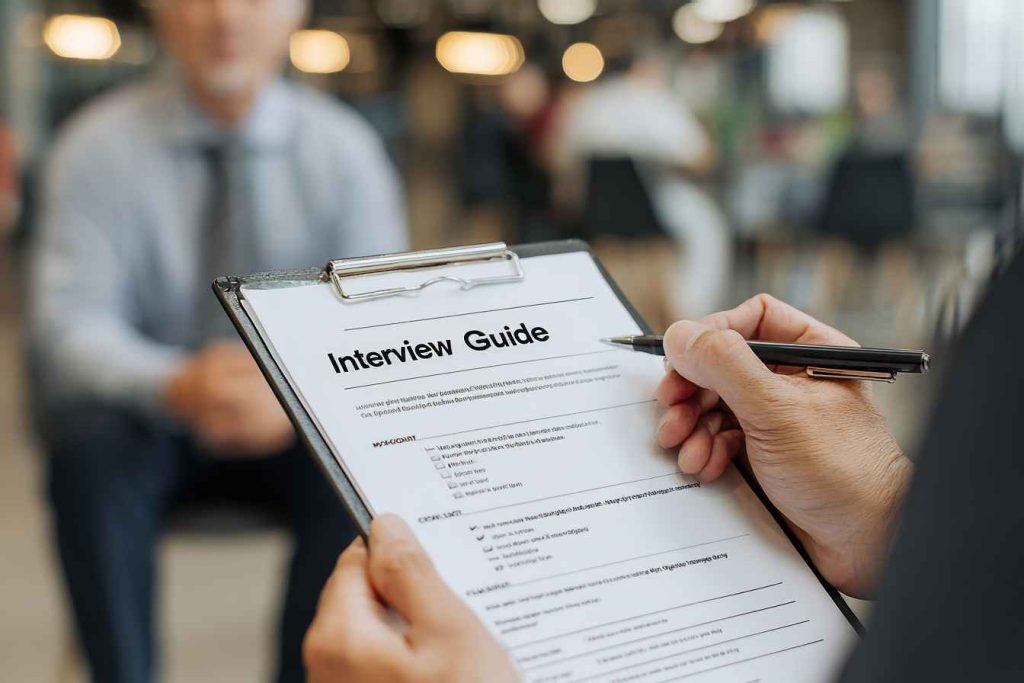
Here’s a clear breakdown of off-limits interview questions and why they’re risky:
| Category | Examples of Off-Limit Questions | Why They’re Risky | Better Alternatives |
| Age | “How old are you?” “What year did you graduate?” | Violates the ADEA; age is a protected category. | “This role requires travel and flexible hours—are you comfortable with that?” |
| Family/Marital Status | “Are you married?” “Do you plan to have kids?” | Could imply bias against caregivers or women. | “This role sometimes requires late shifts. Is that manageable for you?” |
| Disability/Health | “Do you have any medical conditions?” “How many sick days did you take last year?” | ADA violation; employers must focus on essential job functions only. | “This job requires lifting up to 40 lbs. Can you perform this with or without accommodation?” |
| Religion | “What religion do you practice?” “Do you go to church?” | Title VII violation; religion is a protected class. | “This job requires occasional weekend shifts. Would you be available?” |
| National Origin/Citizenship | “Where were you born?” “Is English your first language?” | Violates IRCA and Title VII; can imply national origin discrimination. | “Are you legally authorized to work in the United States?” |
| Gender/Pregnancy | “Are you planning to have children?” “Who will watch your kids while you work?” | Gender and pregnancy discrimination are illegal under Title VII. | None—these topics are off-limits entirely. |
Common Employer Mistakes in Interviews
Even experienced hiring managers make mistakes when it comes to interview compliance. The problem isn’t usually bad intent—it’s a lack of awareness or training. Here are some of the most common slip-ups:
- Turning Small Talk Into Sensitive Territory
Many interviews start with chit-chat. But a simple, “So, do you have a family?” can land you in hot water. Candidates may feel pressured to reveal personal details you shouldn’t consider. - Using Outdated Interview Templates
Some companies reuse old question lists that include items no longer compliant with modern hiring laws. For example, “Are you a US citizen?” is outdated—today, the compliant question is, “Are you legally authorized to work in the United States?” - Untrained Hiring Managers
It’s common to let department heads or supervisors run interviews without formal training. Unfortunately, they may not know which questions are illegal, and one wrong question could put the company at risk. - Confusing Curiosity With Job Relevance
Employers often genuinely want to “get to know” candidates. But curiosity about someone’s marital status, children, or background can easily be misinterpreted as bias if the candidate isn’t hired. - Failing to Standardize Interviews
When each candidate is asked different questions, it’s harder to prove that your decisions were based on fair, job-related criteria.
👉 Want a safeguard? Use our HR Compliance Checklist for US Employers to make sure you’re not missing key protections.
What to Ask Instead
The key to staying compliant is to keep every question job-related. Focus on the candidate’s ability to perform the essential functions of the role.
Here are some examples of compliant, effective questions:
- “Tell me about a time you had to solve a tough problem on the job.”
- “This role requires managing multiple projects at once. How do you stay organized?”
- “What skills or experiences make you confident you’d succeed in this position?”
- “How do you approach working with team members from different backgrounds?”
By reframing your questions around the job itself, you avoid legal risks while still learning what you need about the candidate’s skills, personality, and fit.
👉 For a structured approach, check out our HR Compliance Checklist for US Employers.
How to Prevent Interview Compliance Issues

Avoiding trouble isn’t about memorizing every law—it’s about building smart systems that keep your team consistent and compliant. Here’s how:
- Create Structured Interview Guides
Develop a standardized list of approved questions tied directly to the role’s essential functions. Use it for every candidate to ensure fairness. - Train Your Interviewers
Anyone who interviews candidates should receive compliance training. Even a quick workshop on “do’s and don’ts” can prevent costly mistakes. - Focus on Job Requirements, Not Personal Details
Phrase your questions around the work. Instead of asking about family life, say: “This job requires occasional weekend shifts. Would you be available during that time?” - Document Your Process
Keep records of the questions asked and how candidates responded. If a hiring decision is challenged, documented evidence of job-related evaluation is your strongest defense. - Update Your Materials Regularly
Employment laws change. Review your interview scripts and hiring procedures annually to ensure they’re still compliant with both federal and state requirements. - Separate Compliance From Culture Fit
Many companies want to assess culture fit, but that doesn’t mean asking personal questions. Instead, ask candidates how they collaborate, solve problems, or approach conflict—questions that reflect behavior, not background.
👉 For step-by-step hiring compliance, see How to Legally Hire an Employee in the USA.
FAQs on Interview Questions Employers Should Avoid
Q1. Why are certain interview questions illegal?
Because they touch on “protected characteristics” under federal laws like Title VII, ADA, and ADEA. Asking them can imply bias in hiring decisions.
Q2. What happens if I accidentally ask an off-limits question?
If it’s truly accidental and not used in the hiring decision, you may be safe—but it still creates risk. The best practice is to train interviewers to avoid them entirely.
Q3. Can I ask about a candidate’s ability to perform physical tasks?
Yes, but phrase it carefully: “This job requires lifting 40 lbs. Can you do this with or without accommodation?” This keeps the focus on the essential job function, not the person’s health.
Q4. Are state laws stricter than federal laws on interview questions?
Yes. Some states have additional protections, like bans on asking about salary history. Always check your state’s requirements.
Q5. How do I make sure my interviews are compliant?
Use structured interview guides, provide interviewer training, and lean on compliance resources like our HR Compliance Checklist for US Employers.