



Hiring in the United States isn’t just about finding the right person for the job—it’s also about staying compliant with the federal guidelines for hiring employees. Employers are legally bound to follow specific rules designed to prevent discrimination, ensure fair treatment, and protect workers’ rights.
The reality? Many businesses, especially small and mid-sized ones, accidentally violate these federal regulations for hiring employees simply because they don’t know them. And the cost of getting it wrong can be steep—lawsuits, fines, damaged reputation, or even losing the right to do business.
This guide will break down the most important federal laws for hiring employees in plain English. Whether you’re hiring your first employee or expanding your team, you’ll learn what’s required, what to avoid, and where to be extra careful.
Why Federal Hiring Guidelines Matter
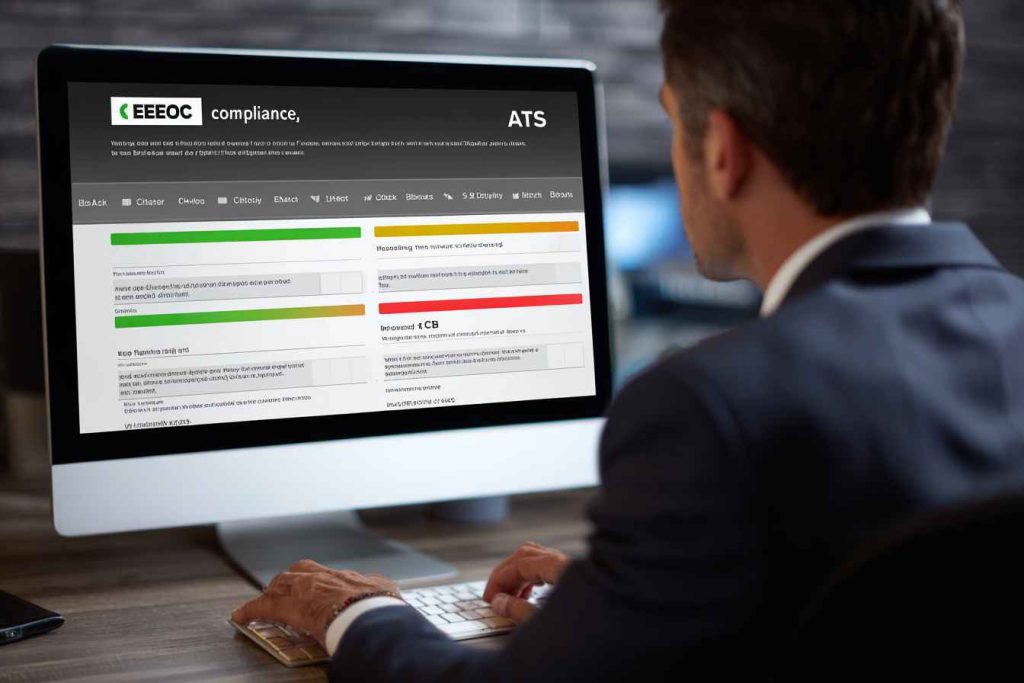
It’s easy to think of hiring as a straightforward process: post a job, review resumes, interview, and make an offer. But in reality, every stage is shaped by federal guidelines for hiring employees. These rules aren’t just red tape—they’re the foundation of fairness in the workplace.
Here’s why they matter so much:
- Preventing Discrimination
At the heart of most hiring laws is the principle of equal opportunity. Title VII of the Civil Rights Act, for example, makes it illegal to reject a candidate based on race, religion, gender, or national origin. The ADA ensures individuals with disabilities have equal access to employment opportunities. Without these protections, hiring could become biased and exclusionary. - Protecting Employers from Liability
Many employers think hiring laws only protect employees, but they also protect businesses. By following federal regulations for hiring employees, you reduce your risk of lawsuits, government fines, and damage to your company’s reputation. One discrimination claim can cost tens of thousands in legal fees and settlements—not to mention the PR fallout. - Creating a Fair Candidate Experience
Job seekers today care deeply about fairness and transparency. If candidates feel mistreated—say, asked inappropriate questions in an interview or misled about pay—it not only drives them away but may also spread negative reviews on sites like Glassdoor. Following the rules helps build trust with candidates. - Attracting and Retaining Talent
Top performers want to work for companies that do things “the right way.” Employers who treat hiring as more than a transaction—who show respect for compliance and fairness—stand out in competitive job markets. - Building Long-Term Culture
Hiring is the first step in shaping your workplace culture. If you start with fairness, compliance, and respect for employees’ rights, you set the tone for a healthy, inclusive organization that avoids future legal and cultural pitfalls.
👉 For a full framework of compliance basics, see our main guide: Hiring Guidelines for US Employers.
Key Federal Laws Governing Hiring
Several federal laws govern how you recruit, interview, and hire. Here are the big ones:
| Law | What It Covers | Employer Takeaway |
| Title VII of the Civil Rights Act | Prohibits discrimination based on race, color, religion, sex, or national origin. | Ensure job postings, interviews, and decisions are bias-free. |
| Age Discrimination in Employment Act (ADEA) | Protects workers 40 years and older. | Avoid age-based job ads (“young professionals only”) and biased interview questions. |
| Americans with Disabilities Act (ADA) | Prohibits discrimination against qualified individuals with disabilities. | Provide reasonable accommodations during hiring. |
| Equal Pay Act | Requires equal pay for equal work regardless of gender. | Review salary structures for fairness. |
| Immigration Reform and Control Act (IRCA) | Requires eligibility verification (Form I-9). | Verify all employees’ right to work in the US. |
| Fair Credit Reporting Act (FCRA) | Governs use of background checks. | Obtain candidate consent before screening. |
Want to dive deeper into the legal framework? Our article on The 3 Most Important HR Laws in the USA explains the essentials.
How to Stay Compliant During Hiring

Compliance isn’t about memorizing laws—it’s about creating processes that naturally follow them. Here’s a breakdown:
1. Job Postings
- Avoid discriminatory language like “recent graduate” or “must be Christian.”
- Focus on job-related qualifications only.
- State that you’re an equal opportunity employer.
2. Interviewing
This is where many employers slip up. Certain questions can be considered discriminatory even if you don’t mean harm. For example:
- ❌ “Do you plan on having children?”
- ❌ “What year did you graduate college?”
- ❌ “Are you a US citizen?” (you may only ask if someone is authorized to work in the US).
👉 For more detail, see our guide on Interview Questions You Should Never Ask a Candidate.
3. Background Checks
- Always get written consent before running checks.
- If you reject a candidate based on a background check, you must follow FCRA’s “adverse action” process (give them a copy of the report and a chance to dispute).
4. Hiring Employees vs Contractors
Misclassification is a common compliance trap. Independent contractors have different legal rules than employees.
- Contractors: You control the outcome of their work but not how they do it.
- Employees: You control both the outcome and the process.
👉 Learn more in our guide on How to Legally Hire Independent Contractors in the USA.
5. Onboarding and Records
- Complete Form I-9 within three days of hire.
- Follow FLSA requirements for wages and hours.
- Keep hiring and employment records in case of audits.
👉 Need a step-by-step? See How to Legally Hire an Employee in the USA.
Common Mistakes Employers Make
Even well-intentioned employers slip up when it comes to federal laws for hiring employees. The biggest problem? Many companies don’t realize they’re breaking the rules until it’s too late. Below are common missteps—and how to avoid them:
- Using Biased or Outdated Job Descriptions
- Phrases like “young and energetic” or “digital native” can unintentionally exclude older workers, violating the ADEA.
- Job ads that emphasize physical requirements without noting accommodations can clash with ADA protections.
- Fix: Stick to skills and qualifications. Always include an equal opportunity statement.
- Phrases like “young and energetic” or “digital native” can unintentionally exclude older workers, violating the ADEA.
- Asking Illegal Interview Questions
It’s easy to fall into casual conversation, but questions about age, marital status, religion, disability, or family plans can all be considered discriminatory. For example:
- ❌ “Do you plan on having kids soon?”
- ❌ “Where were you born?”
- ❌ “How old are you?”
- Fix: Focus only on whether a candidate can perform the essential functions of the job. For more detail, see Interview Questions You Should Never Ask a Candidate.
- ❌ “Do you plan on having kids soon?”
- Skipping Proper Work Authorization Checks
Under the IRCA, employers must verify every employee’s eligibility to work in the US with Form I-9. Failing to do so—or doing it inconsistently—can lead to heavy fines.
- Fix: Standardize the process and apply it to all employees, not just certain candidates.
- Fix: Standardize the process and apply it to all employees, not just certain candidates.
- Ignoring Pay Equity
Offering different salaries for the same role based on gender or other protected categories can violate the Equal Pay Act. Even well-meaning negotiation tactics can unintentionally create disparities.
- Fix: Set salary ranges in advance, benchmark pay rates, and stick to them.
- Fix: Set salary ranges in advance, benchmark pay rates, and stick to them.
- Failing to Document Hiring Decisions
If a rejected candidate claims discrimination, documentation is your best defense. Without clear notes on why someone was not selected, you’re vulnerable.
- Fix: Keep a written record of interview scores, assessment results, and objective reasons for selection or rejection.
- Fix: Keep a written record of interview scores, assessment results, and objective reasons for selection or rejection.
- Misclassifying Workers
Hiring someone as an “independent contractor” when they should legally be an employee is one of the most common compliance mistakes. This can trigger IRS audits, back taxes, and penalties.
- Fix: Learn the legal tests for classification. Our guide on How to Legally Hire Independent Contractors in the USA explains the differences clearly.
- Fix: Learn the legal tests for classification. Our guide on How to Legally Hire Independent Contractors in the USA explains the differences clearly.
- Not Updating Processes for New Laws
Federal and state hiring laws evolve. For example, many states now ban asking candidates about salary history, even though it’s not a federal rule.
- Fix: Conduct annual HR compliance reviews. See our HR Compliance Checklist for US Employers for an easy reference.
- Fix: Conduct annual HR compliance reviews. See our HR Compliance Checklist for US Employers for an easy reference.
In short, most mistakes happen not because of bad intent, but because of bad systems. By putting standardized processes in place, you protect both your company and your employees.
Putting It All Together
Federal hiring laws might feel overwhelming at first, but once you break them down into steps, they become manageable.
- Educate yourself and your team on the key federal hiring guidelines.
- Create standardized processes for job postings, interviews, and onboarding.
- Document everything to stay audit-ready.
- Use compliance checklists to avoid mistakes.
When in doubt, focus on fairness and transparency. If your hiring process treats every candidate equally and respects their rights, you’re already ahead of many employers.
FAQs on Federal Hiring Guidelines
Q1. Do federal hiring guidelines apply to small businesses?
Yes. Some laws (like Title VII) apply only to employers with 15+ employees, but others (like I-9 verification) apply to everyone. Always check the coverage threshold.
Q2. Can I ask candidates about their immigration status?
You can only ask if they are legally authorized to work in the US—not about their citizenship or country of origin.
Q3. What happens if I violate federal hiring regulations?
Penalties vary from fines to lawsuits. In severe cases, you could face audits or lose government contracts.
Q4. Are state hiring laws different from federal laws?
Yes, many states add extra protections (like salary history bans). Employers must comply with both federal and state laws.
Q5. What’s the easiest way to stay compliant?
Use a combination of training, checklists, and standardized processes. Our HR Compliance Checklist for US Employers is a great starting point.