
Hiring someone with all the right skills but the wrong character is one of the most expensive mistakes a company can make. You don’t just lose time and money—you risk damaging your culture, reputation, and internal trust.
That’s where an integrity assessment tool steps in.
If you’ve ever wondered “How do I know this candidate will do the right thing when no one’s watching?”—you’re in the right place.
In this blog, we’ll break down what an integrity assessment tool is, how it works, when to use it, and how to integrate it seamlessly into your hiring process.
📌 First time exploring this? Start with the foundational guide: Integrity in the Workplace
🧠 What Is an Integrity Assessment Tool?
An integrity assessment tool is a structured evaluation (usually in test or questionnaire format) that helps employers measure a candidate’s tendencies toward:
- Honesty and transparency
- Responsibility and accountability
- Ethical judgment
- Rule-following behavior
- Trustworthiness in decision-making
It’s not about judging people—it’s about predicting how someone might act in real-world workplace situations, especially when faced with ethical dilemmas or responsibility-driven roles.
🚀 Why Use an Integrity Assessment Tool?
Because resumes can’t show values. Interviews can be rehearsed. But structured tools reveal behavioral patterns—the kind you want to know before you hand someone access to sensitive data, clients, or decision-making power.
Here’s what integrity assessments help you do:
| Benefit | What It Helps With |
| Identify trustworthy candidates | Prevent fraud, misconduct, and dishonesty |
| Reduce bad hires | Avoid drama, turnover, and morale issues |
| Improve workplace culture | Hire people who align with your company values |
| Reduce bias | Standardize ethics screening beyond gut instinct |
| Increase legal defensibility | Fair, consistent evaluations across applicants |
Want to understand the bigger picture? Check out:
👉 Importance of Integrity Test in Hiring
🛠️ What Does a Good Integrity Assessment Tool Include?
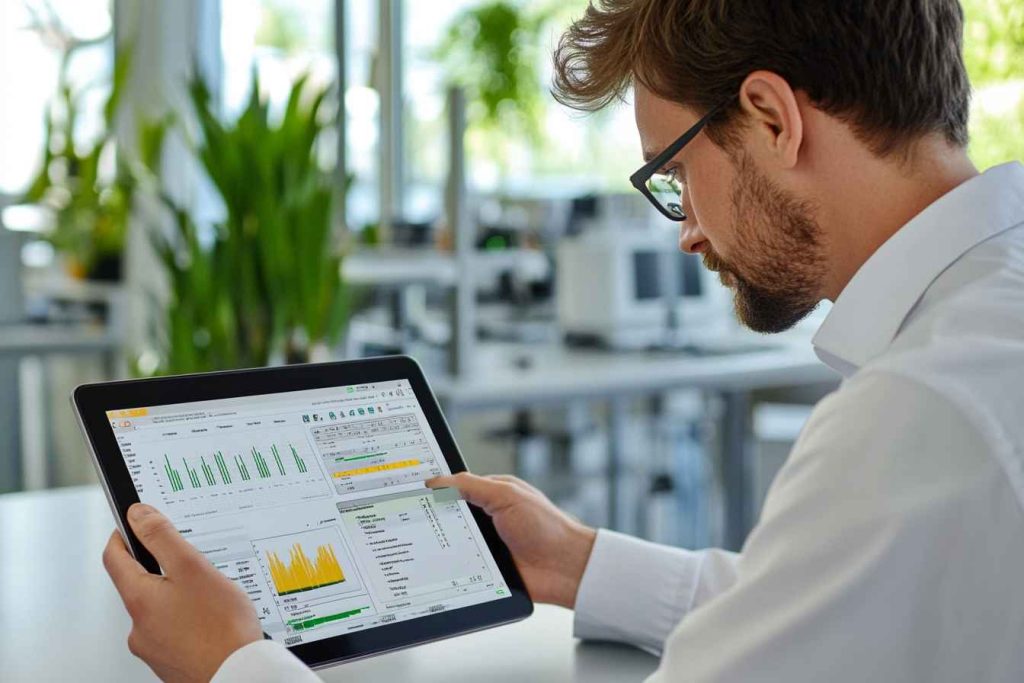
Not all integrity assessments are created equal. The most effective ones are behavior-based and situational, not just personality quizzes.
Here’s what to look for:
| Component | Description |
| Scenario-based questions | Asks how a candidate would respond in ethical gray areas |
| Agreement scale statements | Measures values through “strongly agree to disagree” responses |
| Consistency checks | Detects contradictions and insincerity in answers |
| Clear scoring system | Quantifies traits like honesty, dependability, rule-following |
| Benchmarked insights | Compares results to role-specific integrity expectations |
📝 Sample Questions from an Integrity Assessment Tool
These sample items give you a sense of what to include or expect:
| Type | Example Question |
| Scenario-based | “If a team member asks you to ignore a mistake that could impact a client, what would you do?” |
| Agreement scale | “It’s okay to break a rule if you believe it’s unfair.” (Strongly Agree – Strongly Disagree) |
| Behavior history | “Have you ever covered for a colleague’s dishonest behavior?” |
👉 See more: Workplace Integrity Test Questions and Answers
🔍 When and How to Use an Integrity Assessment Tool

✅ Best Timing in the Hiring Process:
- Before the interview (to screen out poor fits early)
- After initial screening (to supplement resume and phone interview insights)
- Before final decision (as a tie-breaker or validation tool)
🔄 Sample Hiring Workflow:
| Step | Action |
| Step 1 | Resume + application review |
| Step 2 | Phone screen |
| Step 3 | Send integrity assessment |
| Step 4 | Review score + red flags |
| Step 5 | Conduct interview with tailored integrity questions |
| Step 6 | Make informed decision |
Need interview support? Use:
🚩 Red Flags to Watch for in Results
If your integrity tool provides scoring, look for:
| Red Flag | What It Could Mean |
| High tolerance for rule-breaking | Potential noncompliance risk |
| Justifies dishonesty | May prioritize results over ethics |
| Low self-awareness | Could shift blame or avoid accountability |
| Inconsistent answers | Candidate may be trying to “game” the test |
🔐 Integrity Tools Are Culture Protectors

An integrity assessment doesn’t just prevent poor hires—it protects the values you’ve worked hard to build. Especially in remote teams or roles with sensitive responsibilities, tools like this help ensure you’re hiring people who make strong decisions even when no one is watching.
📌 Reinforce this with:
🙋 Frequently Asked Questions (FAQs)
1. What is an integrity assessment tool, exactly?
It’s a pre-employment evaluation that helps you measure how likely a candidate is to act honestly, ethically, and responsibly at work. Think of it as a trustworthiness check before you hand over access to your team, clients, or systems.
2. Why should we use an integrity assessment in our hiring process?
Because resumes can lie, and interviews can be rehearsed. An integrity tool adds an objective, data-backed layer that helps you spot red flags, reduce hiring risks, and build a team you can count on.
3. What kind of questions are included in these assessments?
Good tools ask both:
- Scenario-based questions, like:
“What would you do if a coworker asked you to ignore a mistake?” - Value-based statements, like:
“It’s okay to break the rules if the reason feels justified.”
These uncover a candidate’s thinking patterns, not just surface-level responses.
4. Can candidates fake their way through an integrity test?
Not easily. The best tools use consistency checks and subtle phrasing to detect dishonest or rehearsed answers. If someone tries to “game” the system, it usually shows in their response patterns.
5. When should we give the integrity test—before or after the interview?
Ideally, give it before the main interview. That way, you can tailor your questions to dive deeper into anything that seemed off. It also helps filter candidates early—saving time and energy for everyone.
6. Do these tools work for all types of roles?
Yes! While especially useful for roles in finance, leadership, customer service, and remote work, integrity testing is valuable for any position where accountability and ethical judgment matter—which is almost all of them.
7. Can we combine this tool with interviews and other assessments?
Absolutely—and you should! Use the integrity test alongside structured interviews, reference checks, and job-specific skill assessments for a well-rounded, reliable hiring decision.
✅ Final Thoughts
Integrity is invisible—until it’s missing.
That’s why a well-designed integrity assessment tool is one of the most valuable additions to your hiring process. It gives you a clearer picture of who someone really is—beyond the resume, beyond the interview.
So if you’re ready to hire people who do the right thing, even when it’s hard, even when no one’s watching—start with integrity, not afterthought.


어제 친구들과 회식 자리로강남가라오케추천다녀왔는데, 분위기도 좋고 시설도 깨끗해서 추천할 만했어요.
요즘 회식 장소 찾는 분들 많던데, 저는 지난주에강남가라오케추천코스로 엘리트 가라오케 다녀와봤습니다.
분위기 있는 술자리 찾을 땐 역시강남하퍼추천확인하고 예약하면 실패가 없더라고요.
회사 동료들이랑강남엘리트가라오케방문했는데, VIP룸 덕분에 프라이빗하게 즐길 수 있었어요.
신논현역 근처에서 찾다가강남룸살롱를 예약했는데, 접근성이 좋아서 만족했습니다.
술자리도 좋지만 요즘은강남셔츠룸가라오케이라고 불릴 만큼 서비스가 좋은 곳이 많더군요.