
Bringing on a new employee is a big milestone for any business. Whether you’re a startup hiring your very first staff member or an established company expanding your team, the process comes with legal responsibilities you can’t afford to ignore.
In the US, hiring is heavily regulated at the federal, state, and even local levels. This means it’s not enough to simply agree on a salary and a start date—you must also ensure you’ve registered with the right agencies, verified work eligibility, followed tax laws, and provided legally required notices and protections.
What complicates things is that the requirements vary depending on your size, industry, and location. For example, some states have higher minimum wages than the federal rate, while others have stricter anti-discrimination laws.
That’s why learning how to legally hire an employee in the USA isn’t just about following rules—it’s about building a strong foundation for your company. By getting it right from the start, you’ll save yourself from costly fines, audits, or lawsuits down the line.
👉 For the bigger compliance picture, see Hiring Guidelines for US Employers.
Why Following the Legal Hiring Process Matters
You might be wondering: do I really need to go through every single compliance step? The answer is yes—and here’s why:
- Avoiding Penalties and Lawsuits
Failing to verify work eligibility or skipping new hire reporting could result in thousands of dollars in fines. Worse, misclassifying employees as contractors could lead to back taxes and wage claims. - Protecting Your Reputation
Compliance signals professionalism. Candidates and employees notice if you cut corners. A sloppy hiring process can make your company look unreliable or unethical. - Ensuring Fairness and Inclusion
Federal laws like Title VII, the ADA, and the ADEA exist to protect workers. Following them helps you build a workplace where everyone feels respected and valued. - Setting the Tone for Your Culture
The way you handle hiring says a lot about your company. A structured, transparent process makes new employees feel confident and builds long-term trust.
👉 To understand which laws you must follow, check out The 3 Most Important HR Laws in the USA Explained.
Step-by-Step Guide to Legally Hiring Employees
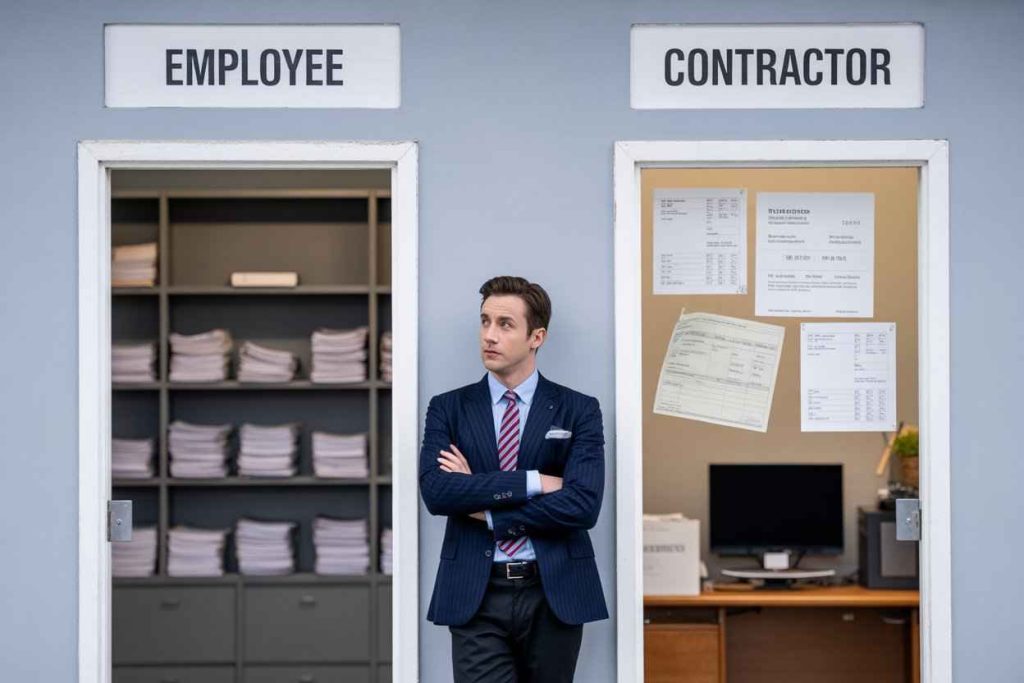
Here’s a structured breakdown of the hiring process every US employer should follow:
| Step | What You Must Do | Why It Matters |
| 1. Get an EIN | Apply for an Employer Identification Number from the IRS. | Required to report taxes and payroll. |
| 2. Register with State Agencies | Sign up for state income tax withholding and unemployment insurance. | Ensures compliance with state-level tax and employment laws. |
| 3. Verify Work Eligibility | Complete Form I-9 within three business days of hire. | Confirms the employee is legally allowed to work in the US. |
| 4. Report New Hires | Submit the employee’s details to your state’s new hire reporting program. | Helps enforce child support and track employment. |
| 5. Set Up Payroll System | Withhold federal and state taxes, Social Security, and Medicare. | Prevents tax compliance issues and penalties. |
| 6. Comply with Wage Laws | Follow the Fair Labor Standards Act (FLSA) for minimum wage and overtime. | Protects against wage-related lawsuits. |
| 7. Provide Required Notices | Display workplace posters (FLSA, OSHA, Equal Employment Opportunity). | Required by law to inform employees of their rights. |
| 8. Offer Benefits if Applicable | Health insurance (for 50+ employees), workers’ compensation, retirement plans. | Required under ACA and state laws for some businesses. |
| 9. Keep Records | Maintain personnel files, payroll records, and tax documents. | Required for audits and legal protection. |
👉 For a broader understanding of wage and labor rules, see The 3 Most Important HR Laws in the USA Explained.
Interview and Hiring Compliance
Hiring legally doesn’t stop at paperwork—it also extends to what you ask during interviews. Employers often get into trouble by asking questions that seem harmless but are legally risky.
Examples of illegal or risky questions include:
- “What year did you graduate?” (Age discrimination risk under ADEA)
- “Do you plan on having kids?” (Gender/pregnancy discrimination under Title VII)
- “What religion do you practice?” (Religious discrimination under Title VII)
- “Do you have any disabilities?” (ADA violation)
Instead, frame questions around job requirements:
- ✅ “This job requires occasional weekend shifts. Are you available to work those hours?”
- ✅ “This role involves lifting up to 40 pounds. Can you perform this with or without accommodation?”
👉 For more examples, read Interview Questions You Should Never Ask a Candidate.
Employees vs. Independent Contractors
One of the trickiest compliance issues is worker classification. Many businesses misclassify employees as independent contractors to avoid payroll taxes and benefits. But this mistake can lead to back wages, tax penalties, and lawsuits.
Here’s a clear comparison:
| Employees | Independent Contractors |
| Controlled by employer (schedule, location, method). | Control how, when, and where they work. |
| Paid via payroll with taxes withheld. | Paid by invoice; handle their own taxes. |
| Eligible for benefits (PTO, health, retirement). | Not eligible for benefits. |
| Covered by wage and hour laws. | Not covered by wage and hour laws. |
| Ongoing relationship. | Project-based or temporary. |
👉 To avoid misclassification, see our guide on How to Legally Hire Independent Contractors in the USA.
Common Mistakes Employers Make When Hiring
Here are the compliance mistakes we see most often:
- Skipping I-9 Verification
Employers must complete Form I-9 within three days of hire. Failing to do so can trigger federal fines. - Misclassifying Workers
Treating employees as contractors to cut costs is one of the biggest red flags for the IRS and DOL. - Not Reporting New Hires
Each state requires employers to report new employees promptly. Forgetting this step can result in penalties. - Ignoring Wage Laws
Not paying overtime or failing to meet state minimum wage requirements often results in lawsuits. - Missing Required Notices
Employers must display certain workplace posters by law. Skipping them may look like willful non-compliance. - Lack of Documentation
Without accurate payroll and hiring records, it’s hard to defend against audits or claims.
👉 Use our HR Compliance Checklist for US Employers to prevent these pitfalls.
Why Getting Hiring Right Builds Stronger Businesses
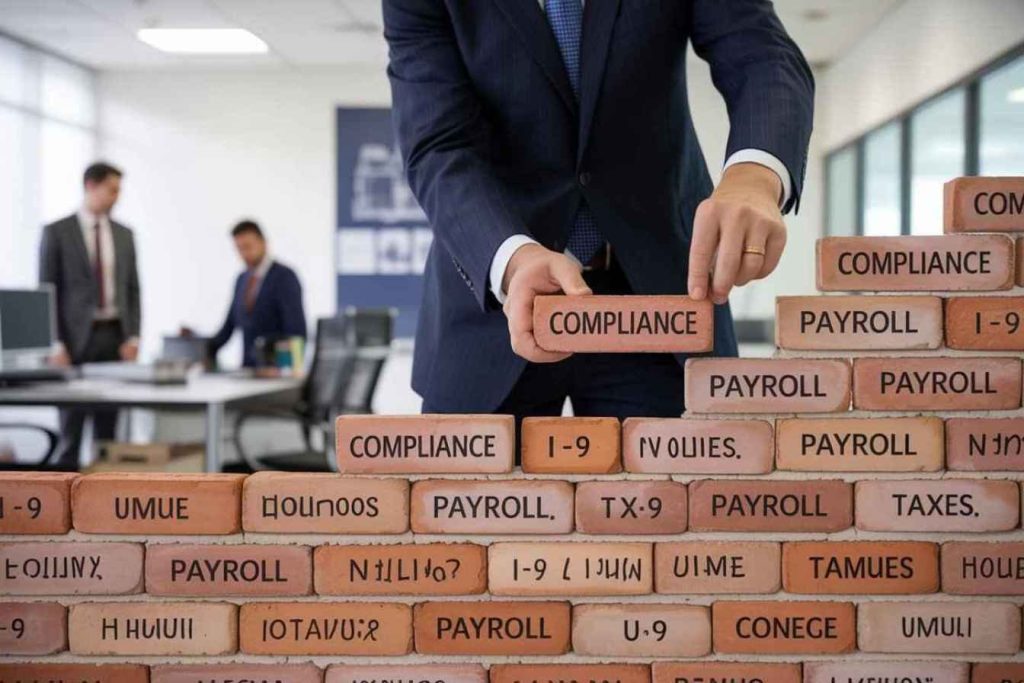
Compliance isn’t just about avoiding penalties—it’s about setting your company up for success. When you follow the proper hiring process:
- You build trust with employees. New hires feel confident they’re joining a professional, fair workplace.
- You protect your business. Proper documentation and processes shield you from fines, lawsuits, and audits.
- You attract top talent. Skilled workers prefer companies with transparent, structured hiring.
- You create scalability. Once your systems are in place, hiring additional employees becomes faster and easier.
In short, legal hiring is smart hiring. It reduces risks, strengthens your brand, and sets you up for sustainable growth.
👉 To keep your business on track, pair this with our Federal Hiring Guidelines Every Employer Should Know.
FAQs on Legally Hiring Employees in the USA
Q1. Do I need an EIN to hire my first employee?
Yes. The IRS requires an Employer Identification Number for payroll taxes and reporting.
Q2. How soon must I complete the I-9 form?
Within three business days of the employee’s start date. Both employer and employee must provide documentation.
Q3. Do all employers have to offer health insurance?
Only businesses with 50+ full-time employees are required under the Affordable Care Act (ACA). Smaller businesses may choose to provide it voluntarily.
Q4. What happens if I misclassify a worker?
You could owe back wages, unpaid taxes, and penalties. Misclassification is a major red flag for the IRS and Department of Labor.
Q5. Are state hiring laws different from federal laws?
Yes. Many states add extra rules, like higher minimum wages or additional reporting. Always check both federal and state requirements.


어제 친구들과 회식 자리로강남가라오케추천다녀왔는데, 분위기도 좋고 시설도 깨끗해서 추천할 만했어요.
요즘 회식 장소 찾는 분들 많던데, 저는 지난주에강남가라오케추천코스로 엘리트 가라오케 다녀와봤습니다.
분위기 있는 술자리 찾을 땐 역시강남하퍼추천확인하고 예약하면 실패가 없더라고요.
회사 동료들이랑강남엘리트가라오케방문했는데, VIP룸 덕분에 프라이빗하게 즐길 수 있었어요.
신논현역 근처에서 찾다가강남룸살롱를 예약했는데, 접근성이 좋아서 만족했습니다.
술자리도 좋지만 요즘은강남셔츠룸가라오케이라고 불릴 만큼 서비스가 좋은 곳이 많더군요.